
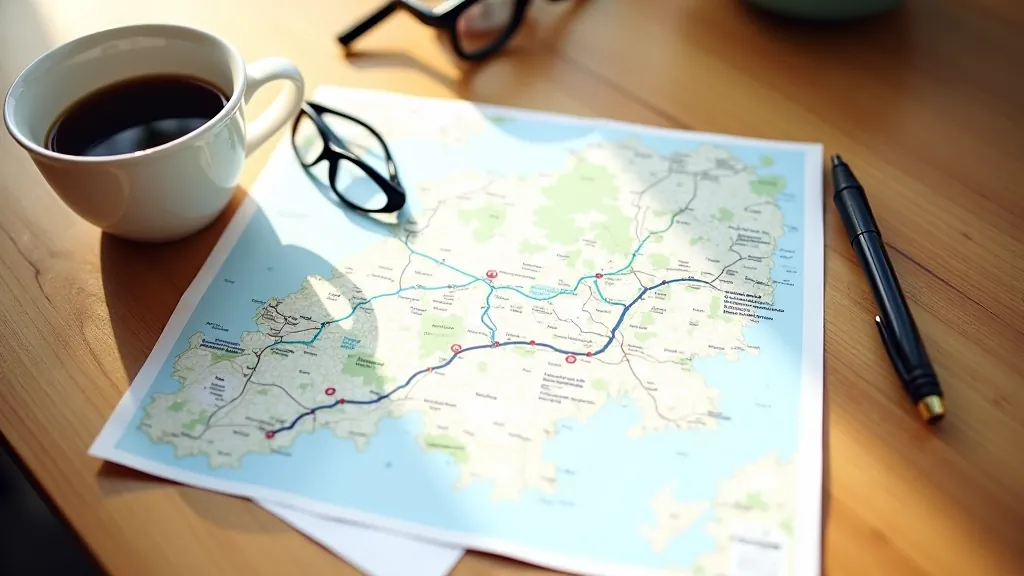
Route Breakdown: Sections and Rest Points
Divide the 45km into manageable chunks. We've identified the best spots to stop, rest, and refuel along the way.
Read the guideTyre pressure, brake checks, and chain maintenance. A simple pre-ride checklist that takes 20 minutes and makes a real difference.

Before you head out on the Greenway, spending just 20 minutes on basic bike maintenance can prevent problems and make your ride much more enjoyable. You don't need special tools or mechanical expertise — just a bit of attention to the essentials.
Most issues come from neglect, not wear and tear. A bike that's been sitting in the shed for a few weeks needs a quick check. Tyres lose pressure, chains get stiff, and brake cables can loosen. We'll walk you through the four things that matter most.
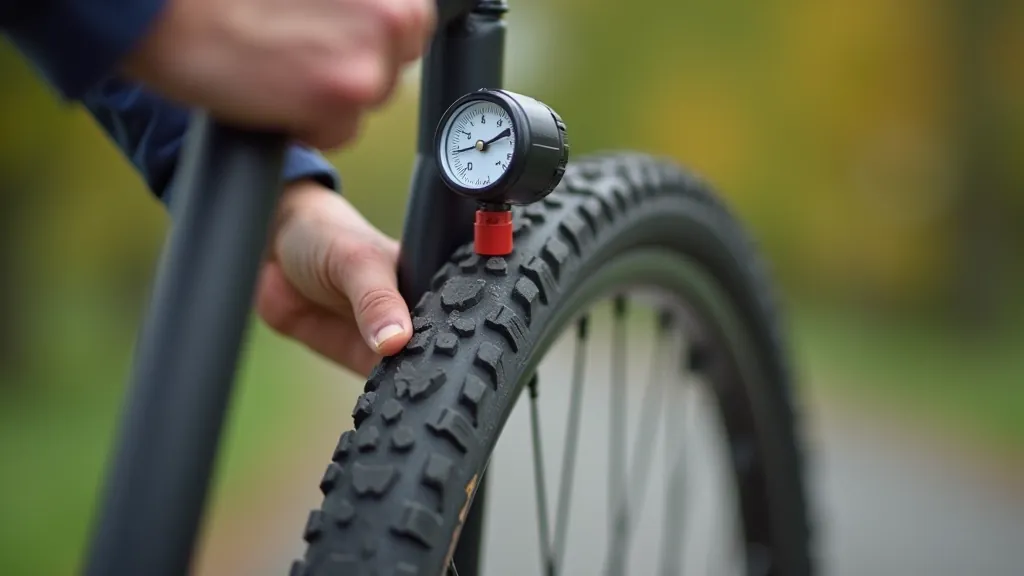
Flat or under-inflated tyres are the most common problem we see. They make pedalling harder, wear out faster, and increase the risk of punctures. The good news? It's the quickest thing to fix.
Look at the sidewall of your tyre — there's a range printed there, usually something like 50-65 PSI. That's pounds per square inch. A hand pump with a gauge (around €15-20) makes this easy. You're aiming for the middle to upper range. If you don't have a gauge, any bike shop will check it free.
While you're at it, look for cracks, cuts, or bald patches on the tyre surface. If you see anything that looks worn through or damaged, replace the tyre before riding. You don't want a blowout 20km down the canal.
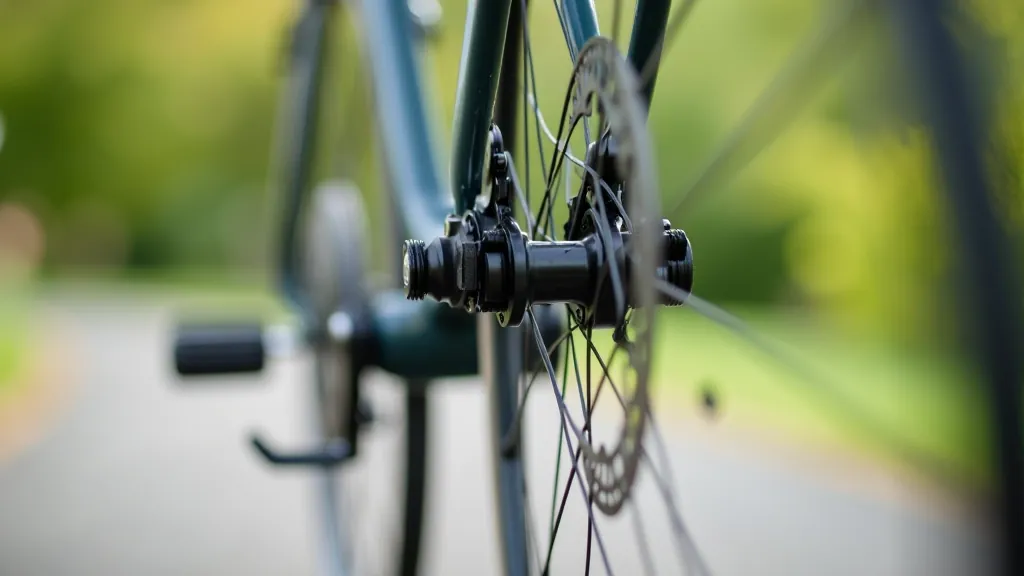
Your brakes need to work smoothly and stop you quickly. Squeezing the brake levers shouldn't feel mushy or require excessive force. The wheels should stop rotating cleanly when you apply them.
Spin each wheel by hand and gently squeeze the corresponding brake lever. The wheel should slow down and stop without rubbing against the brake pads continuously. If you hear scraping or the wheel doesn't stop, the brake pads might need adjustment or replacement.
Spin wheel freely and listen for rubbing
Squeeze brake lever — should engage smoothly
Check brake pads aren't worn down to nothing
If you're not sure about the condition, a quick visit to a local bike shop costs nothing and they'll let you know what needs fixing. Better to sort it now than be stuck with faulty brakes 15km from anywhere.
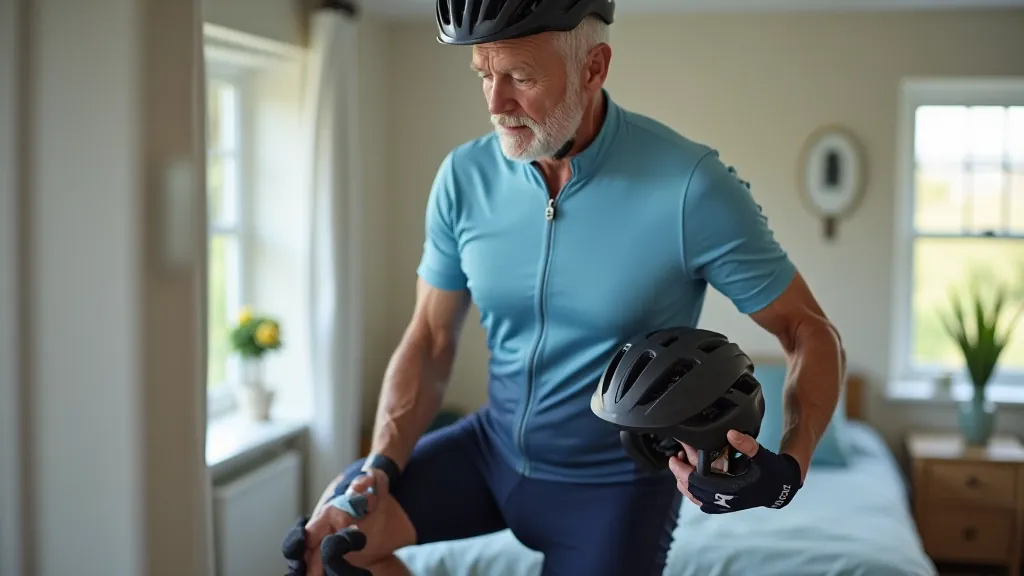
A dry chain will squeak, resist pedalling, and wear out faster. It's one of the easiest things to maintain and it makes an immediate difference.
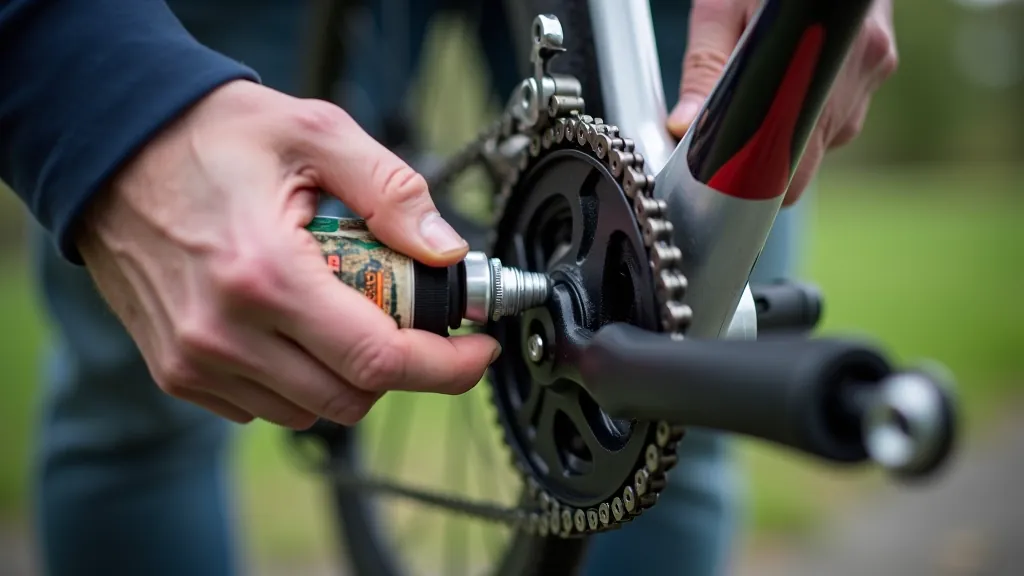
Rotate the pedals backwards and look at the chain. It should look slightly glossy from lubrication, not rusty or dull. If it's dry, a quick squirt of chain lube (€5-10 from any shop) will fix it. Just apply it to the rollers while turning the pedals, then wipe off any excess with a cloth.
Pro tip: Don't over-lube. A thin coat is enough. Excess lube attracts dirt and makes everything grimy.
While you're looking at the chain, check that it doesn't look bent or damaged. If there are stiff links (you'll notice the chain hesitating as it turns), it might need professional attention. Also make sure the chain isn't too loose — it shouldn't have more than about 1cm of play when you push it to the side.
You'll be riding early morning or late evening on the Greenway. Lights and reflectors aren't optional — they're essential safety equipment. Even in daylight, being visible matters.
Should be bright white, working properly, and firmly mounted. Test it before you go.
Red rear light must be visible from at least 100 metres behind. Check batteries regularly.
Check that reflectors on wheels and frame are clean and intact. They're your backup visibility.
A high-visibility vest costs €10 and makes a real difference. Worth the investment for peace of mind.
The Greenway is generally quiet and safe, but drivers and other users need to see you. Don't assume daylight is enough — clouds roll in quickly, and evening comes fast in autumn and winter.
That's it. Twenty minutes of basic maintenance puts you in a completely different position than heading out on a neglected bike. You'll feel the difference immediately — smoother pedalling, confident brakes, a quiet chain. Your legs will thank you.
The Greenway is a beautiful, manageable route. Getting your bike properly maintained means you can focus on the scenery, the fresh air, and enjoying the ride instead of worrying about mechanical problems. Take your time with these checks before you go. It's the best 20 minutes you can spend preparing.
This guide provides educational information about basic bicycle maintenance for general reference purposes. It's not a substitute for professional mechanical advice or service. If you're unsure about any aspect of your bike's condition, or if you notice anything unusual during these checks, consult a qualified bicycle mechanic or visit your local bike shop. Everyone's bike is different, and professional expertise is invaluable for safety-critical systems like brakes. Always prioritize your safety and the proper functioning of your bicycle.