
Getting Your Bike Ready for the Greenway
Tyre pressure, brake checks, and chain maintenance. A simple pre-ride checklist that takes 15 minutes.
Read GuideDrink before you're thirsty, eat before you're hungry. Simple fuel strategy that keeps your energy steady across 45 kilometres.

Forty-five kilometres is a proper distance. It's not a stroll, and it's not a sprint — it's a steady effort that can drain you faster than you'd expect. We've seen plenty of cyclists hit the wall around the 30km mark because they didn't plan their fuel strategy. Thing is, it's not complicated. You don't need special sports drinks or expensive nutrition products. You just need to understand what your body needs and when.
The basic rule sounds almost too simple: drink before you're thirsty, eat before you're hungry. But this single principle is the difference between finishing strong and struggling. Your thirst and hunger are late-stage signals. By the time you feel them, you're already losing performance. We'll walk you through a practical approach that's worked for hundreds of cyclists doing this route.
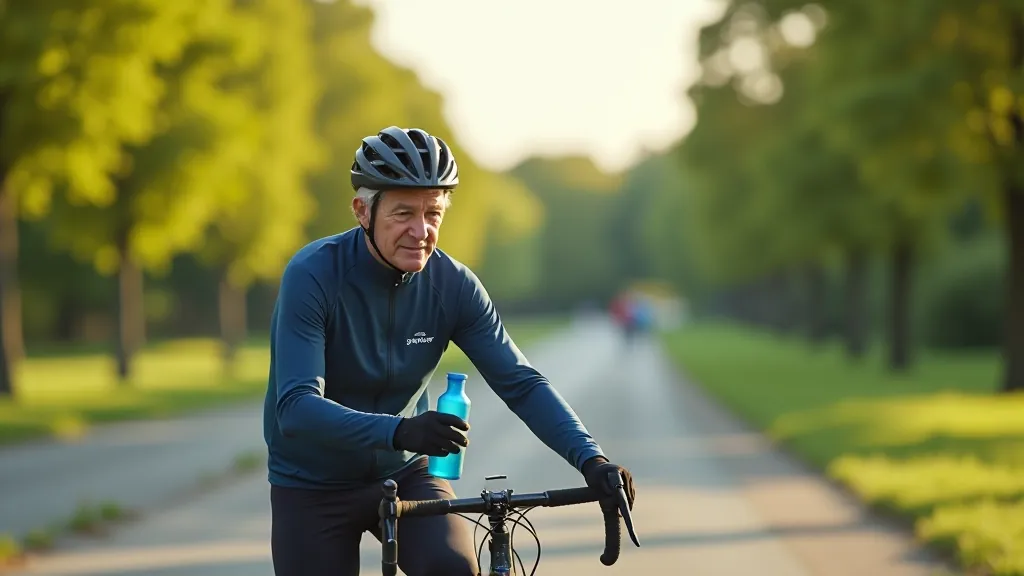

You'll need roughly 500-750ml of fluid per hour depending on the weather and your effort level. On a warm day you're looking at the higher end. On a cool morning, maybe a bit less. Don't overthink it — start with a 750ml bottle and refill at the rest stops we've marked out on the route.
Plain water works fine for rides under two hours. But we're talking about a 3-4 hour effort here, and that's when electrolytes become useful. They're not a magic potion — they're just sodium and potassium that help your body hold onto fluid and maintain energy. You can buy ready-mixed drinks, or add a pinch of salt to your water with a bit of fruit juice. Either way, you're replacing what you lose through sweat.
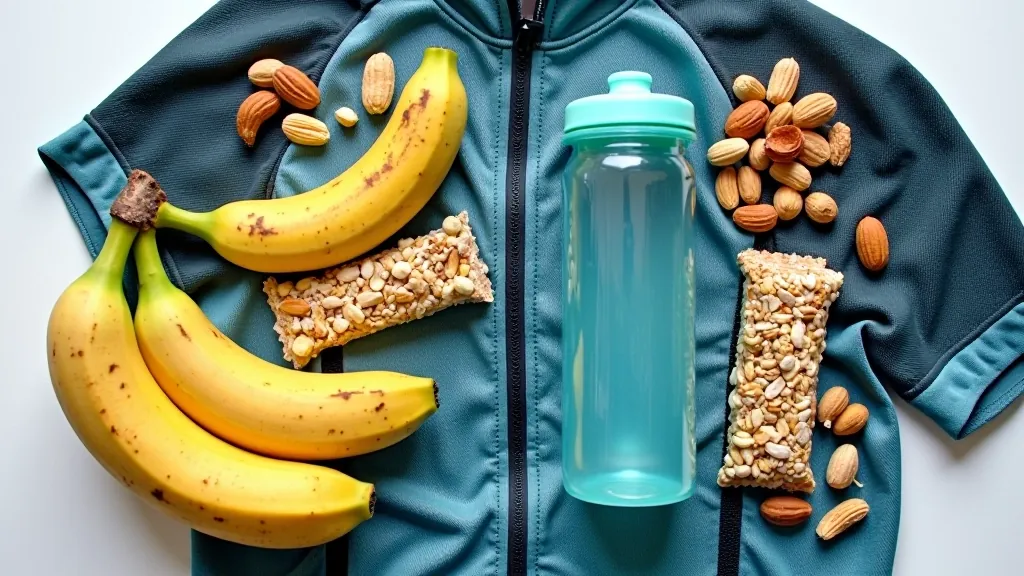
You don't need much, but you do need the right things. The goal is steady energy — not a sugar spike followed by a crash. That means combining carbohydrates (for quick energy) with a bit of protein or fat (to sustain it). A banana with a handful of almonds. A slice of bread with some cheese. A rice cake with peanut butter. These aren't gourmet options, but they work because they're easy to carry, easy to eat, and your body processes them efficiently.
Start eating around the 90-minute mark, even if you don't feel particularly hungry. You're aiming for 200-300 calories every hour after that. Break it into small portions — eat a bit every 20-30 minutes rather than one big meal. Small bites are easier to digest while you're riding, and you'll maintain steadier energy levels.
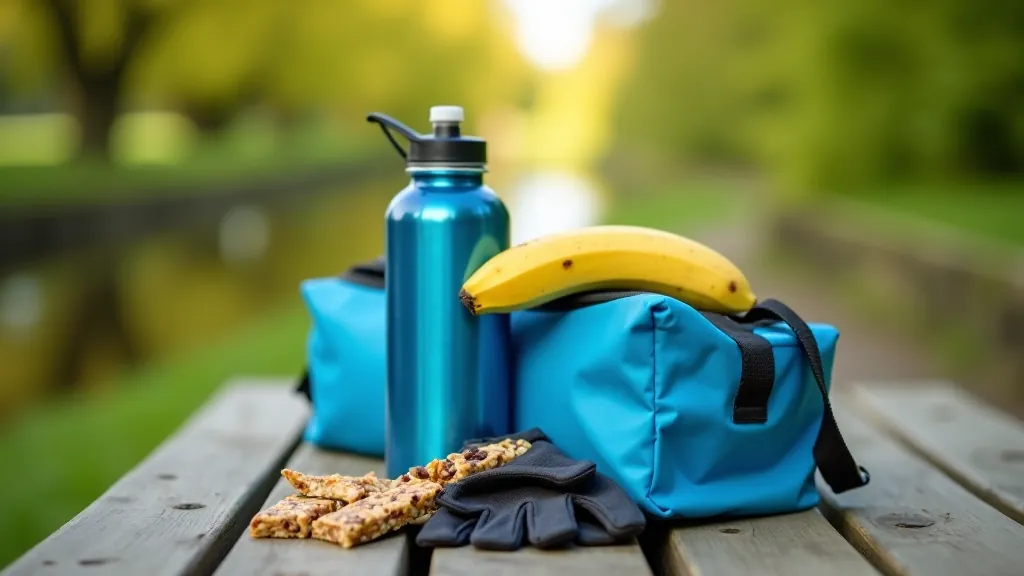
What we recommend packing: One banana (easy to digest, natural sugars), a cereal bar (40-50g carbs, fits in a jersey pocket), a small bag of nuts (protein and fat), and maybe one energy gel if you want backup fuel. Total weight? Under 300 grams. Total cost? Less than what you'd spend on a coffee.
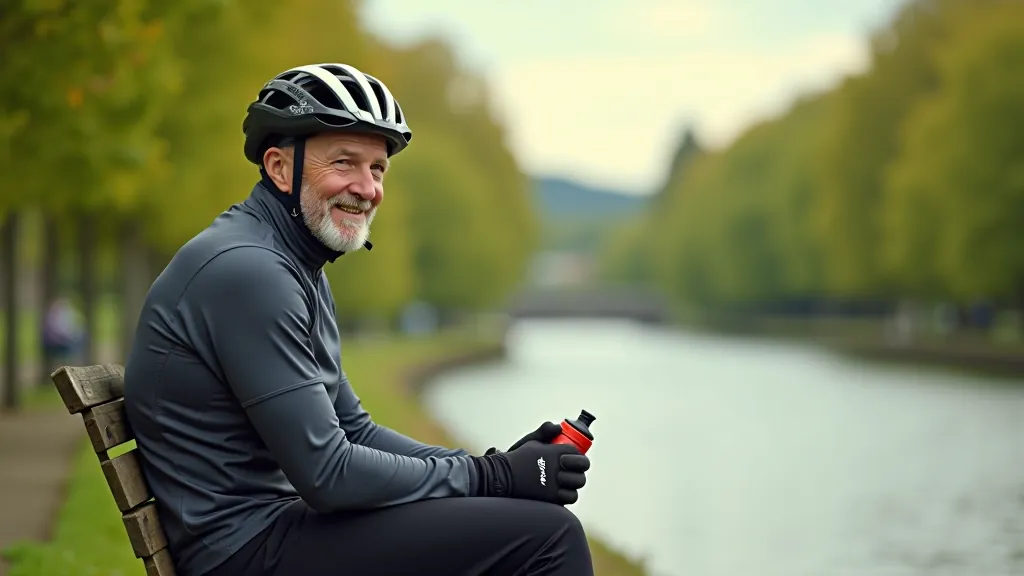
The Greenway route has four designated rest areas with benches and water access. Use them. A 10-minute break every hour doesn't just help your body recover — it's a mental reset too. This is where you refill water, eat something solid, and get your legs moving around a bit. You're not training for speed here, you're training for enjoyment. Taking breaks isn't giving up; it's being smart.
The rest stops are roughly at: Maynooth (starting point), Clonard (around 15km), Rosse (around 30km), and Athlone (around 40km). At each stop, spend 10-15 minutes. Have a proper drink — not just a sip. Eat something. Walk around a bit. Your legs will thank you, and you'll roll into the final sections feeling fresher than if you'd powered through without stopping.
At each rest stop, do this:
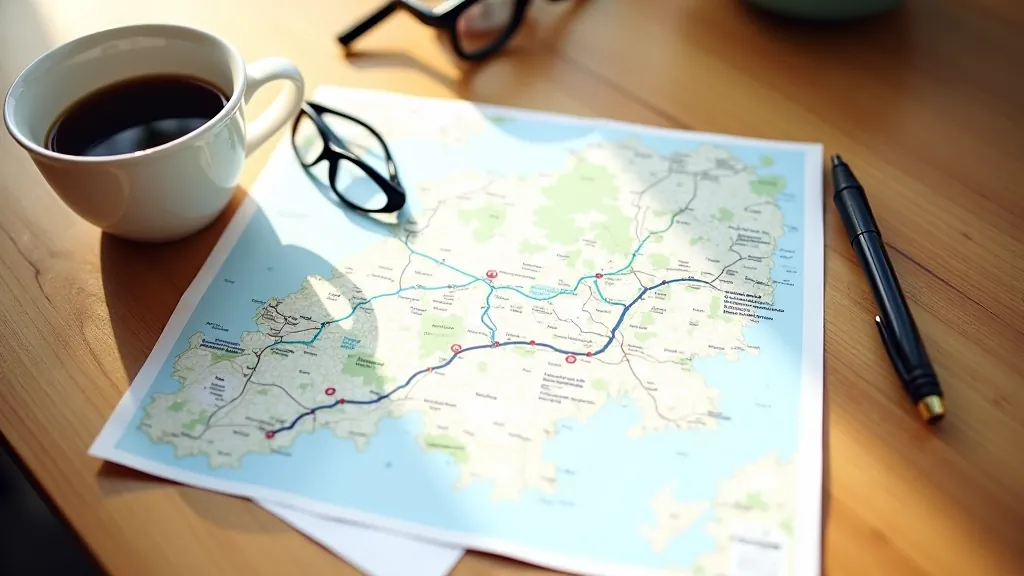
You don't need to be an athlete to fuel your body properly on a 45km ride. You just need a simple plan. Drink small amounts regularly. Eat before you're hungry. Use your rest stops. That's it. You'll roll into Athlone feeling energized rather than exhausted, and you'll actually want to do this ride again.
The Greenway is one of the best cycling experiences in Ireland — flat, scenic, and manageable. With the right fuel strategy, it becomes something you'll remember for the right reasons: the views, the pace you could control, and the satisfaction of completing something meaningful. Not the bonk at kilometre 35.
This guide provides general information about hydration and nutrition strategies for long-distance cycling. It's intended to educate and inform, not replace professional nutritional or medical advice. Individual nutritional needs vary based on age, fitness level, metabolism, and health conditions. If you have specific dietary requirements, allergies, or health concerns, consult with a healthcare provider or sports nutritionist before embarking on long rides. The recommendations here are based on general cycling practices and should be adapted to your personal circumstances and comfort level.