
What to Wear: Comfort Over Fashion
Padded shorts really do matter. We'll walk through the essentials — no expensive gear required, just sensible choices that prevent soreness.

Why Comfort Matters More Than Style
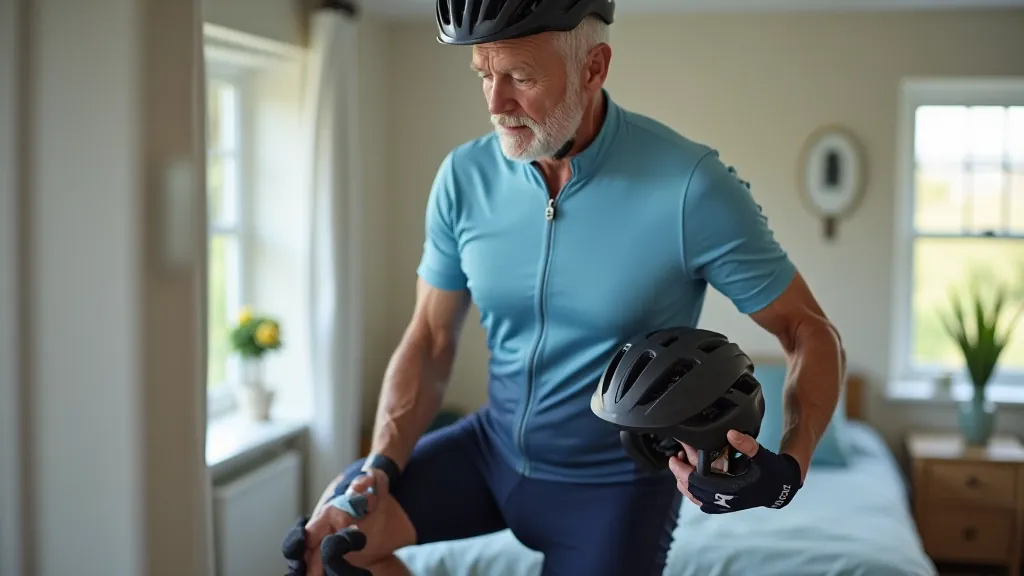
Here's the thing — you don't need to look like a professional cyclist to cycle comfortably. The Royal Canal Greenway is 45km of flat, gorgeous terrain, but that distance reveals every uncomfortable choice you make with your clothing. We've seen too many people give up after their first ride because they wore jeans or cotton t-shirts.
The right gear isn't about fashion. It's about preventing saddle soreness, managing sweat, staying warm when the wind picks up, and actually enjoying the ride instead of counting down the kilometers until you can stop.
The Shorts Situation
Let's start with the most important piece: padded cycling shorts. You'll know immediately if you've chosen wrong. After about 15-20km, you'll feel it. And it's not fun.
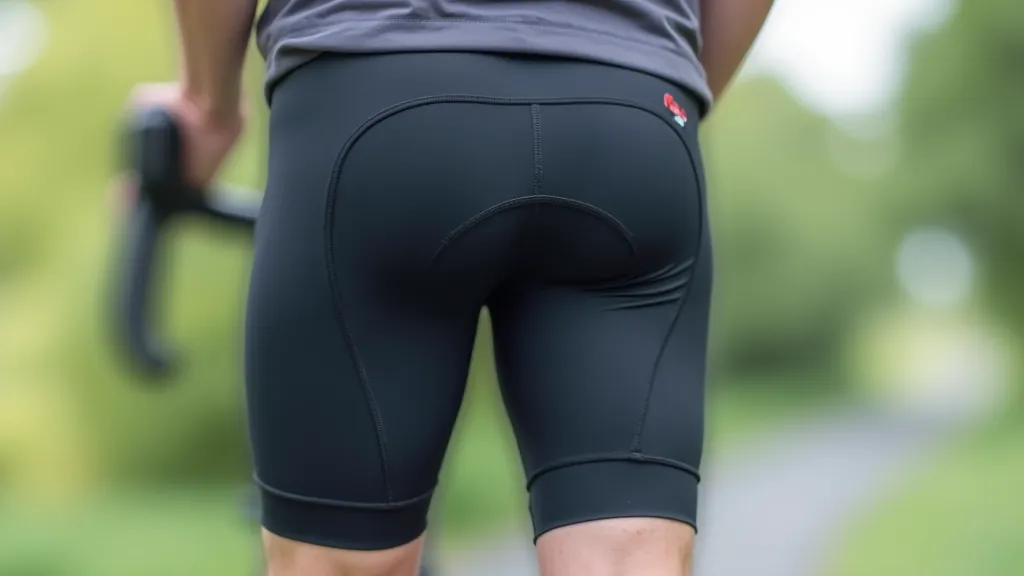
Padded shorts have a chamois — that's the built-in padding — that prevents friction and distributes pressure. You're sitting on a saddle for hours, so this matters. Don't go cheap here. Expect to spend €40-70 on a decent pair. They last for years if you care for them properly.
Shorts 101
- Look for at least 8mm of padding
- Flat seams prevent chafing
- Mid-thigh length works best for comfort
- Wear them WITHOUT underwear (seriously)
We recommend trying them on in a shop if you can. Comfort is personal — what works for your friend might not work for you. And don't wash them every time you ride. Once every 2-3 rides is fine. The padding lasts longer that way.
Layers and Temperature Management
May through September on the Greenway is variable. You might start at 12°C in the morning and finish at 18°C in the afternoon. You'll warm up once you're pedalling, so don't overdress.
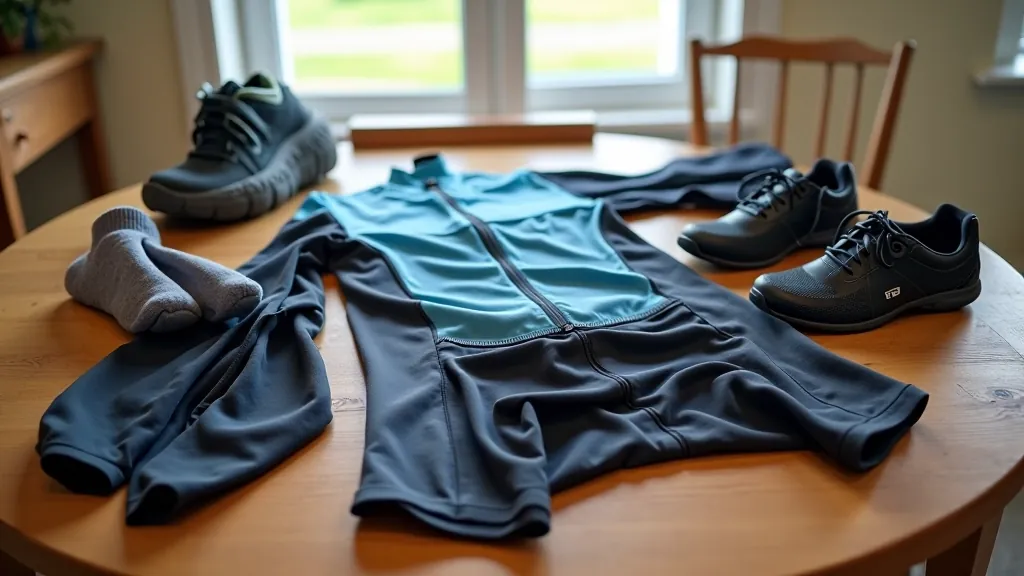
The base layer — the thing closest to your skin — should be moisture-wicking. That means synthetic materials like polyester, not cotton. Cotton absorbs sweat and stays wet. Moisture-wicking moves sweat away from your body. You'll stay drier and warmer.
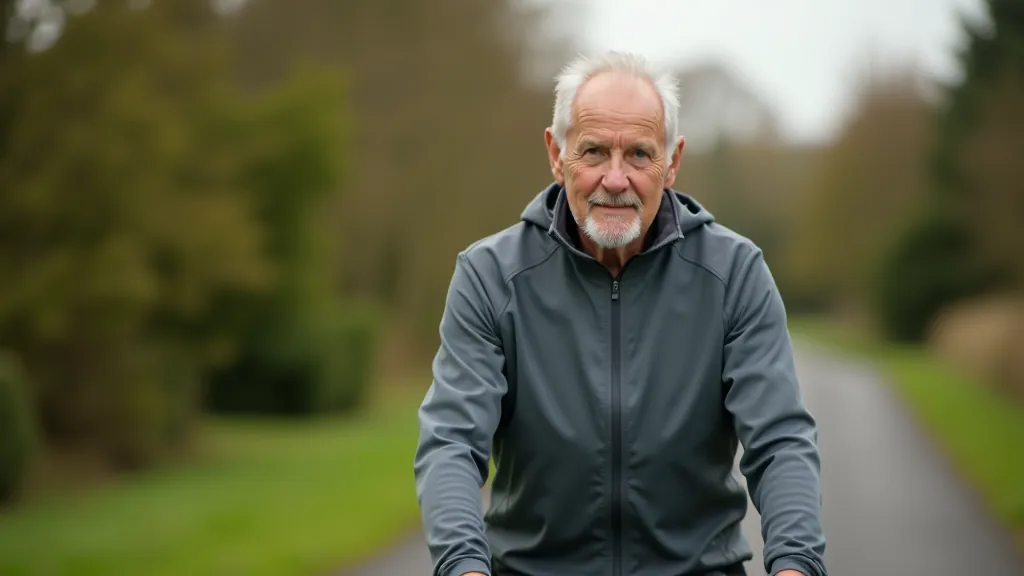
Add a lightweight windproof layer on top. A thin jacket that packs down small is perfect. You can remove it and tie it around your waist if you warm up. Bring it in a small backpack or panniers.
Moisture-wicking base layer
Lightweight jacket or jersey
Windproof layer if it's breezy
Related Guides
Feet, Hands, and Head
Your extremities get cold first. Hands and feet aren't moving much compared to your legs, so they cool down faster.
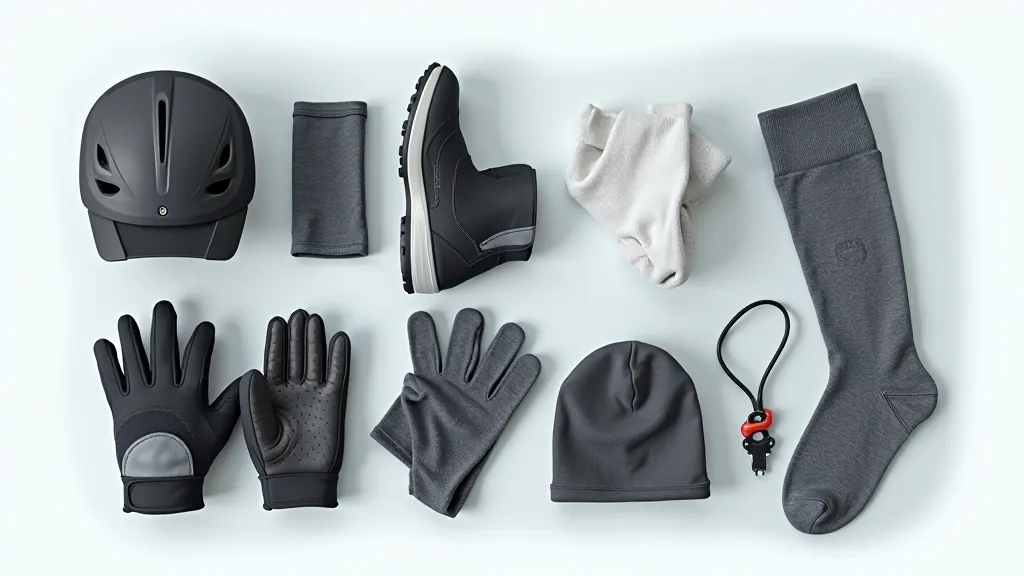
Cycling gloves aren't just about warmth — they protect your palms if you slip. Get ones with padding on the palm. In May and September, lightweight gloves are fine. They cost €15-25. Your hands will thank you.
For feet, regular trainers work if they're stiff-soled. Soft-soled shoes feel unstable on the pedals. Cycling shoes aren't necessary for casual riding, but if you're doing 45km, your feet need support. Or wear hiking boots — seriously, they work well.
"I wore cotton socks the first time. Big mistake. Switched to merino wool blend and never looked back. They wick moisture and stay warm even when damp."
— Maria, 71, regular on the Greenway
A hat or helmet matters. You lose a lot of heat through your head. A cycling cap under your helmet adds warmth and keeps sun off your face. It's a small thing that makes a real difference on a 3-hour ride.
Carrying Your Gear
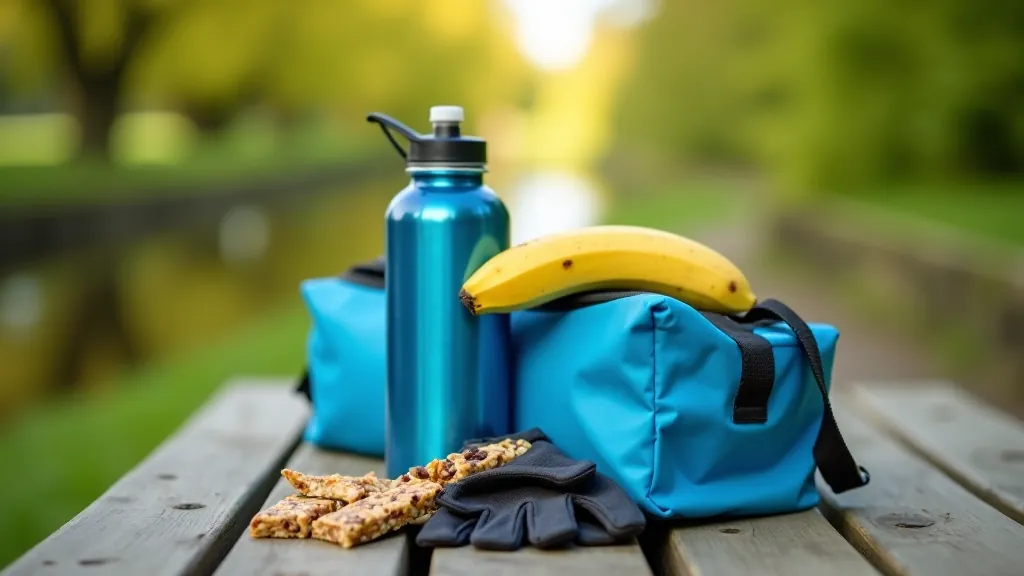
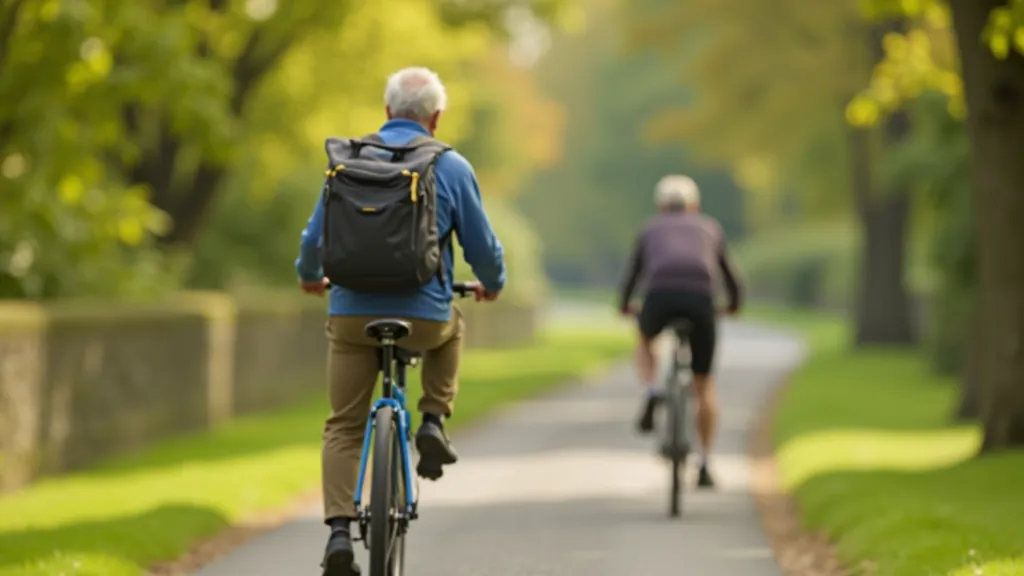
Don't wear a heavy backpack. It'll make your shoulders hurt and throw off your balance. Instead, use panniers — those bags that attach to your bike rack. They distribute weight evenly and don't strain your back.
Pack light. You really don't need much: a waterproof layer, your phone, some water, a snack, and a small first aid kit. That's it. The canal is well-used — you're never far from a village if something goes wrong.
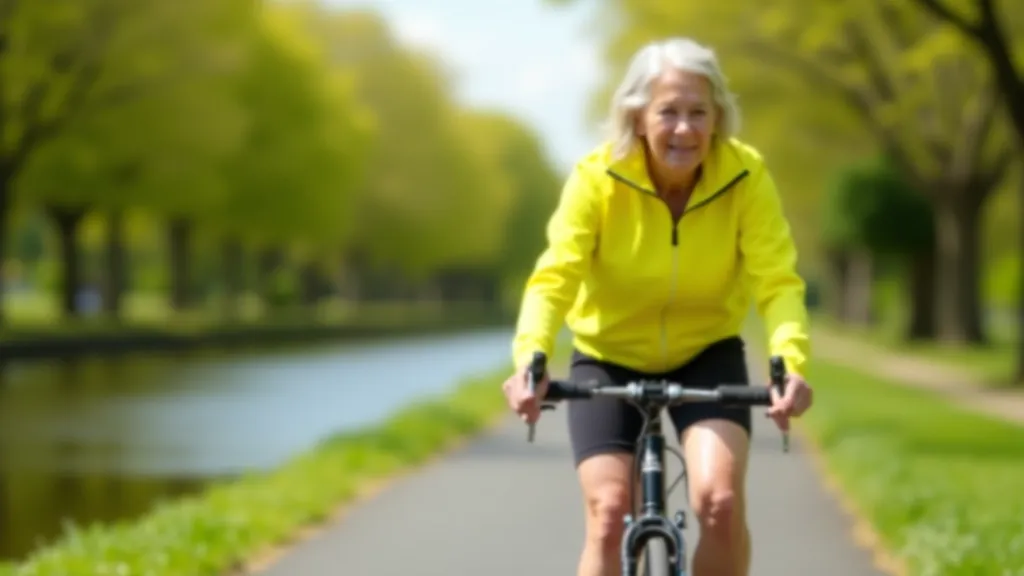
One last thing — visibility. Wear something bright or reflective. Even in daylight, other users (walkers, runners, other cyclists) spot you better. A bright yellow or orange vest takes up almost no space.
Essential Packing List
The Real Test
You don't need expensive cycling gear. You don't need to look like you're training for the Tour de France. What you need is comfort — the kind that lets you focus on the scenery instead of your sore backside or cold fingers.
Start with good padded shorts. Add layers you can remove. Protect your hands and feet. That's honestly 90% of it. The Royal Canal Greenway is beautiful — 45km of flat, peaceful cycling through Irish countryside. Don't let uncomfortable clothing get between you and that experience.
The first ride is always the hardest part. Get the clothes right, and the second ride is already easier. And by the third ride? You'll be planning longer routes.
Back to Senior Cycling GuideImportant Disclaimer
This guide is informational only and represents general recommendations based on common cycling practices. Everyone's body is different — what works for one person may not work for another. If you have specific health concerns, joint issues, or mobility challenges, we recommend consulting with your doctor before starting any new physical activity. The Royal Canal Greenway is a well-maintained route, but always check current conditions before you go, wear a helmet, and follow local cycling rules. Safety is always the priority.